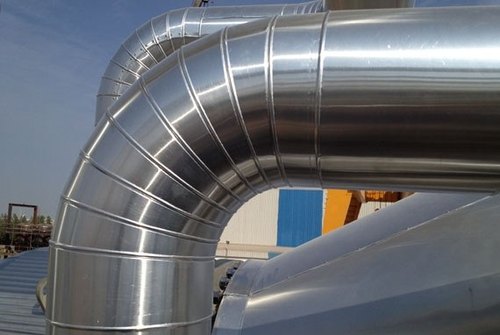
How Thermal Insulation Improves Energy Efficiency in Industrial and Commercial Buildings
August 26, 2025Energy efficiency has become a major priority for industries and commercial buildings today. Rising energy costs, environmental concerns, and strict regulatory standards have pushed businesses to adopt smarter solutions that reduce energy consumption. One of the most effective and often overlooked solutions is thermal insulation.
High-quality insulation materials help maintain temperature stability, reduce heat loss, and significantly improve the overall energy performance of buildings. Companies offering industrial insulation solutions in Pune are helping industries adopt advanced insulation materials that improve operational efficiency and reduce long-term energy costs.
In this blog, we will explore how thermal insulation contributes to energy efficiency and why industries are increasingly investing in modern insulation systems.
Understanding Thermal Insulation
Thermal insulation refers to materials used to reduce the transfer of heat between surfaces or environments. In industrial and commercial buildings, insulation helps maintain a stable temperature by preventing unwanted heat loss or heat gain.
Materials such as rock wool, glass wool, and ceramic wool are widely used for insulation in factories, power plants, warehouses, and commercial buildings because of their excellent thermal resistance and durability.
Why Energy Efficiency Matters for Industrial Buildings
Poor insulation can lead to:
- Increased electricity consumption
- Higher operational costs
- Inconsistent temperature conditions
- Reduced equipment efficiency
Key Ways Thermal Insulation Improves Energy Efficiency
1. Reduces Heat Loss and Heat Gain
One of the primary functions of thermal insulation is to prevent unwanted heat transfer. During hot weather, insulation prevents external heat from entering the building. In colder conditions, it keeps internal heat from escaping. This helps maintain a stable indoor environment and reduces the load on HVAC systems.
2. Lowers Energy Consumption
When insulation minimizes heat transfer, heating and cooling systems do not need to work as hard to maintain desired temperatures. Energy consumption decreases, equipment operates more efficiently, and electricity bills are reduced.
3. Improves HVAC System Performance
Insulation helps maintain temperature stability, allowing HVAC equipment to function more efficiently and last longer.
4. Enhances Workplace Comfort
Thermal insulation helps regulate indoor temperatures, creating a more comfortable working environment for employees and visitors.
5. Supports Sustainable and Eco-Friendly Operations
Installing high-quality insulation materials helps industries move toward greener operations while complying with environmental standards.
Common Thermal Insulation Materials Used in Industries
- Rock Wool Insulation
- Glass Wool Insulation
- Ceramic Wool Insulation
Industries That Benefit Most from Thermal Insation
- Manufacturing plants
- Power generation facilities
- Oil and gas industry
- Warehouses and storage units
- Commercial buildings
- Food processing units
Choosing the Right Insulation Partner
Selecting the right insulation materials and suppliers is important to ensure long-term performance and safety. Working with experienced suppliers ensures industries receive the right insulation products suited to their operational needs.
Conclusion
Thermal insulation plays a vital role in improving energy efficiency in industrial and commercial buildings. Investing in the right insulation solutions improves energy efficiency and contributes to safer and environmentally responsible operations.