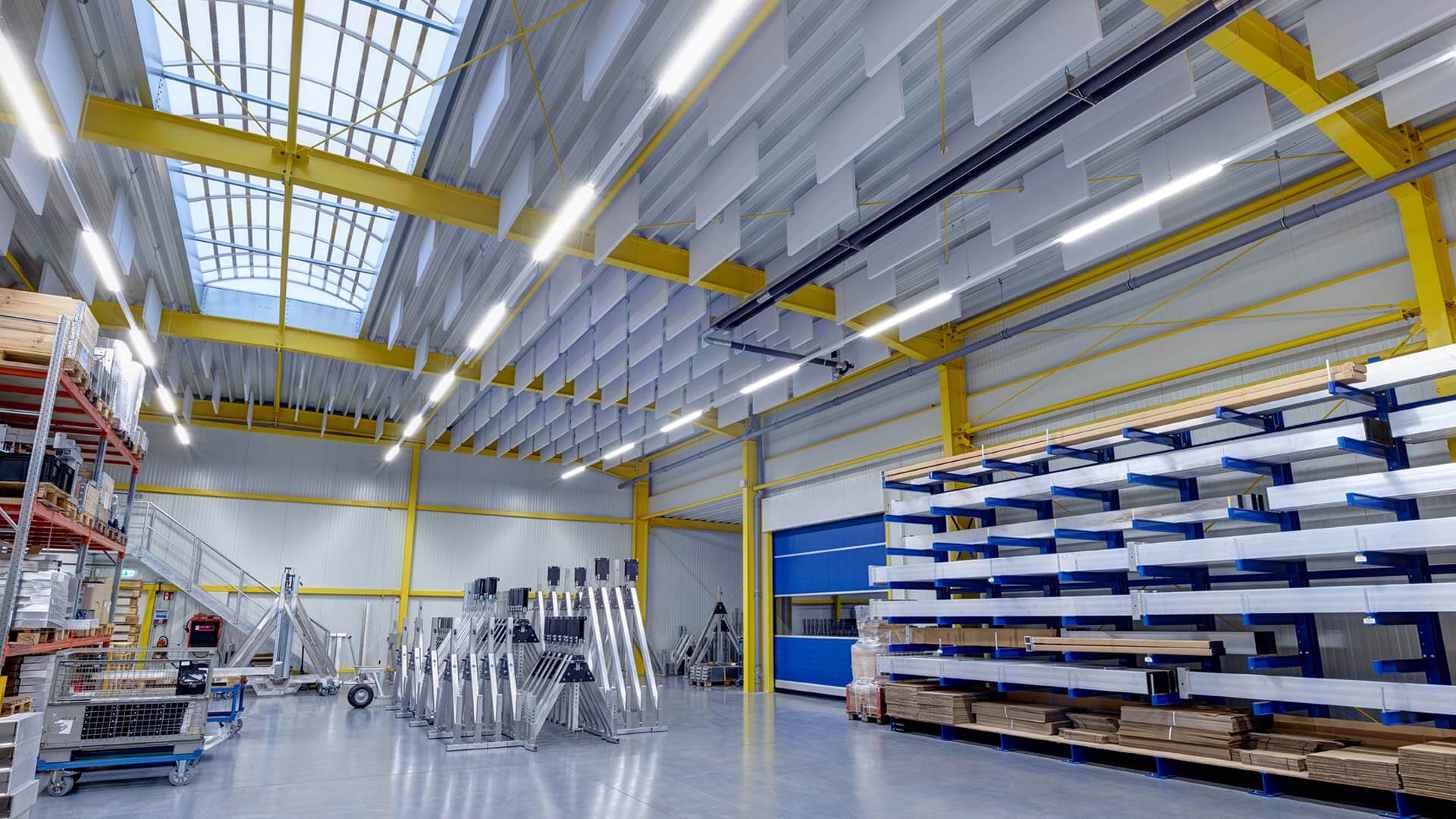
Why Acoustic Insulation Is Important for Factories, Offices, and Commercial Buildings
August 26, 2025Noise pollution has become a significant concern in modern industrial and commercial environments. Excessive noise in factories, offices, and commercial buildings can affect employee productivity, communication, and overall workplace comfort. This is where acoustic insulation plays a crucial role.
In this blog, we will explore the importance of acoustic insulation and how it helps improve the working environment in factories, offices, and commercial buildings.
Understanding Acoustic Insulation
Acoustic insulation refers to materials that help control sound by reducing noise transmission between spaces. These materials absorb sound waves and prevent them from traveling through walls, ceilings, and ducts.
Common acoustic insulation materials include rock wool and glass wool, which are widely used because of their excellent sound-absorbing properties.
Businesses looking for effective thermal insulation materials in Pune often choose these materials because they offer both thermal and acoustic performance.
Why Noise Control Is Important in Industrial and Commercial Spaces
Excessive noise in workplaces can lead to several problems, including:
- Reduced employee productivity
- Communication difficulties
- Increased stress levels among workers
- Safety risks in industrial environments
- Manufacturing factories
- Office buildings
- Hospitals and healthcare facilities
- Hotels and hospitality spaces
- Educational institutions
- Commercial complexes
- Warehouses and production units
- Type of building or industrial environment
- Level of noise generated
- Structural design of the building
- Thermal insulation requirements
Implementing proper acoustic insulation helps create a more comfortable and efficient workplace while ensuring compliance with workplace safety standards.
Key Benefits of Acoustic Insulation
1. Improved Workplace Productivity
In offices and commercial spaces, noise from machinery, traffic, or nearby operations can distract employees and reduce concentration.
Acoustic insulation helps control sound levels, allowing employees to focus better on their work and maintain higher productivity.
2. Better Communication
Clear communication is essential in both offices and industrial facilities. High noise levels can make it difficult for workers to hear instructions or communicate effectively.
Acoustic insulation reduces background noise and improves speech clarity, making communication easier and more efficient.
3. Increased Workplace Comfort
A quieter environment creates a more comfortable space for employees and visitors. In commercial buildings such as hotels, hospitals, and office complexes, sound control is essential for maintaining a pleasant atmosphere.
Proper insulation materials help reduce unwanted noise and improve overall indoor comfort.
4. Enhanced Safety in Industrial Facilities
Factories and manufacturing plants often operate heavy machinery that produces significant noise. High noise levels can increase the risk of accidents if workers are unable to hear warnings or instructions clearly.
Acoustic insulation helps reduce noise exposure and supports safer working conditions.
5. Compliance with Noise Regulations
Many industries must comply with occupational health and safety regulations related to noise levels. Installing acoustic insulation can help organizations meet these standards and protect employees from long-term hearing damage.
Common Acoustic Insulation Materials
Several insulation materials are used to control noise in industrial and commercial environments.
Rock Wool Insulation
Rock wool provides excellent sound absorption and is commonly used in industrial buildings, machinery enclosures, and wall partitions.
Glass Wool Insulation
Glass wool is widely used in HVAC systems, ceilings, and wall cavities due to its lightweight structure and strong acoustic performance.
These materials are frequently recommended by companies providing industrial insulation solutions in Pune because they deliver reliable thermal and acoustic insulation.
Applications of Acoustic Insulation
Acoustic insulation is used across many industries and building types, including:
Proper insulation helps control noise levels and create a more productive and comfortable environment.
Choosing the Right Acoustic Insulation Solution
Selecting the right acoustic insulation depends on several factors, including:
Businesses looking for thermal insulation materials in Pune should consult experienced suppliers who can recommend the most suitable materials for both sound control and energy efficiency.
Conclusion
Acoustic insulation is an essential component of modern industrial and commercial infrastructure. By reducing noise levels, improving communication, and enhancing workplace comfort, insulation materials contribute to a safer and more productive environment.
Whether in factories, offices, or commercial buildings, installing high-quality insulation materials can significantly improve indoor conditions while supporting energy efficiency and regulatory compliance.
As industries continue to prioritize employee well-being and operational efficiency, the importance of acoustic insulation will only continue to grow.