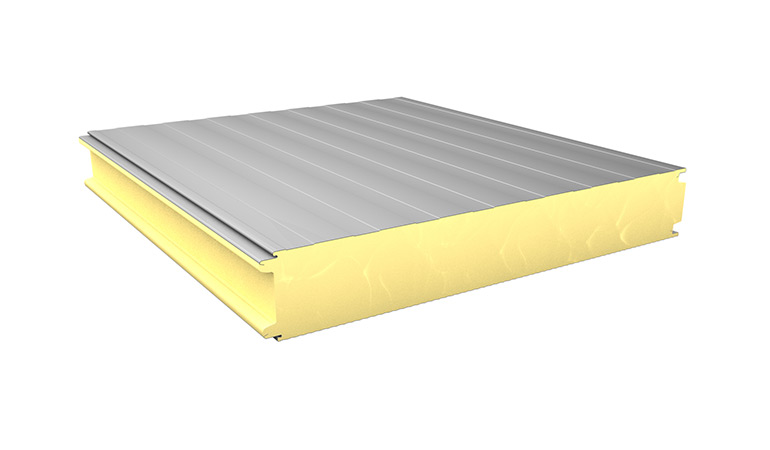
Importance of Thermal Insulation in Cold Storage Facilities
August 26, 2025Cold storage facilities play a critical role in preserving temperature-sensitive products such as food items, pharmaceuticals, dairy products, and agricultural goods. Maintaining a consistent low temperature inside these facilities is essential to ensure product quality, safety, and long shelf life.
One of the most important factors that determines the efficiency of a cold storage facility is thermal insulation. High-quality insulation helps prevent temperature fluctuations, reduces energy consumption, and ensures reliable cooling performance. Businesses looking for industrial insulation solutions in Pune often invest in advanced insulation materials to improve the efficiency of their cold storage infrastructure.
In this article, we will explore why thermal insulation is essential for cold storage facilities and how the right insulation materials can improve operational efficiency.
What Is Cold Storage Insulation?
Cold storage insulation refers to specialized materials used to minimize heat transfer between the external environment and the refrigerated interior space. These insulation materials create a protective barrier that helps maintain stable temperatures inside cold rooms, warehouses, and refrigerated storage facilities.
Companies supplying thermal insulation materials in Pune provide various insulation solutions designed to support temperature control in cold storage environments.
Why Insulation Is Critical for Cold Storage Facilities
Cold storage facilities must maintain precise temperature conditions to protect stored goods. Even small temperature variations can affect the quality of food products, medicines, and other temperature-sensitive materials.
Proper insulation helps prevent heat from entering the facility and ensures that cooling systems operate efficiently.
Key Benefits of Thermal Insulation in Cold Storage
1. Maintains Stable Temperature
Thermal insulation prevents external heat from entering the cold storage area, helping maintain consistent temperatures. This stability is essential for preserving perishable products and ensuring compliance with storage standards.
2. Reduces Energy Consumption
Cooling systems in cold storage facilities consume significant energy. Without proper insulation, refrigeration systems must work harder to maintain low temperatures.
Insulation minimizes heat transfer, allowing cooling systems to operate more efficiently and reducing electricity consumption.
3. Prevents Product Spoilage
Temperature fluctuations can lead to spoilage of food products, medicines, and other sensitive materials. Insulation ensures consistent cooling conditions, protecting stored goods and reducing financial losses.
4. Improves Operational Efficiency
When insulation improves temperature control, refrigeration equipment operates more efficiently. This reduces wear and tear on cooling systems and improves the overall performance of the facility.
5. Reduces Moisture and Condensation
Cold storage facilities are prone to condensation when warm air enters the space. Proper insulation helps prevent moisture buildup, protecting both stored products and building structures.
6. Extends Equipment Lifespan
Efficient insulation reduces the workload on refrigeration equipment, helping it operate smoothly and last longer. This reduces maintenance costs and improves long-term operational efficiency.
Common Insulation Materials Used in Cold Storage
Different insulation materials can be used in cold storage facilities depending on the temperature requirements and structural design.
Rock Wool Insulation
Rock wool provides strong thermal insulation and fire resistance. It is often used in industrial environments where both temperature control and safety are important.
Glass Wool Insulation
Glass wool is lightweight and provides excellent thermal and acoustic insulation. It is commonly used in walls, ceilings, and HVAC systems within cold storage buildings.
These materials are often recommended by suppliers offering industrial insulation solutions in Pune because they help maintain energy efficiency and stable cooling conditions.
Industries That Depend on Cold Storage Facilities
Cold storage infrastructure is essential for many industries, including:
- Food processing and packaging
- Dairy and beverage industries
- Pharmaceutical storage
- Agricultural produce storage
- Logistics and warehousing
- Seafood and meat processing
Proper insulation plays a major role in ensuring that these industries can maintain product quality and meet regulatory standards.
Choosing the Right Insulation for Cold Storage
When selecting insulation materials for cold storage facilities, several factors should be considered:
- Temperature requirements of stored products
- Structural design of the facility
- Energy efficiency goals
- Moisture and condensation control
- Long-term durability of insulation materials
Working with experienced suppliers helps ensure that cold storage facilities use the most suitable insulation materials for their specific operational needs.
Conclusion
Thermal insulation is a crucial component of efficient cold storage facilities. By reducing heat transfer, maintaining stable temperatures, and improving energy efficiency, insulation helps protect valuable products and reduce operational costs.
Industries that rely on cold storage must invest in high-quality insulation solutions to ensure reliable temperature control and long-term performance. As demand for refrigerated storage continues to grow, the role of advanced insulation materials will become even more important in supporting efficient and sustainable cold storage infrastructure.