Rock Wool vs Glass Wool vs Ceramic Wool: Which Insulation Material Is Best for Your Industry?
August 26, 2025Thermal insulation plays a crucial role in improving energy efficiency, safety, and performance across many industrial and commercial environments. From manufacturing plants and power stations to commercial buildings and warehouses, choosing the right insulation material can significantly impact operational efficiency and long-term cost savings.
Among the most widely used insulation materials are Rock Wool, Glass Wool, and Ceramic Wool. Each material offers unique properties and benefits suited for different industrial applications. Businesses searching for thermal insulation materials in Pune often compare these options to determine the best solution for their specific requirements.
In this blog, we will explore the key differences between these three insulation materials and help you understand which one may be the most suitable for your industry.
Understanding Industrial Insulation Materials
Industrial insulation materials are designed to reduce heat transfer, improve energy efficiency, and protect equipment operating under various temperature conditions.
The right insulation material helps industries:
- Reduce energy consumption
- Maintain stable operating temperatures
- Improve safety standards
- Extend equipment lifespan
Companies providing industrial insulation solutions in Pune frequently recommend Rock Wool, Glass Wool, or Ceramic Wool depending on the temperature range and industrial environment.
Rock Wool Insulation
Rock wool, also known as mineral wool, is manufactured from natural basalt rock and recycled materials. It is widely used in industrial and commercial insulation due to its excellent thermal resistance and fire-resistant properties.
Key Benefits of Rock Wool
- High resistance to heat and fire
- Excellent thermal insulation performance
- Strong acoustic insulation properties
- Durable and moisture resistant
- Environmentally friendly material
Common Applications
Rock wool insulation is commonly used in:
- Industrial plants
- Power generation facilities
- Petrochemical industries
- Commercial buildings
- HVAC duct insulation
Because of its versatility and safety features, rock wool is often the preferred choice for industries requiring both thermal and acoustic insulation.
Glass Wool Insulation
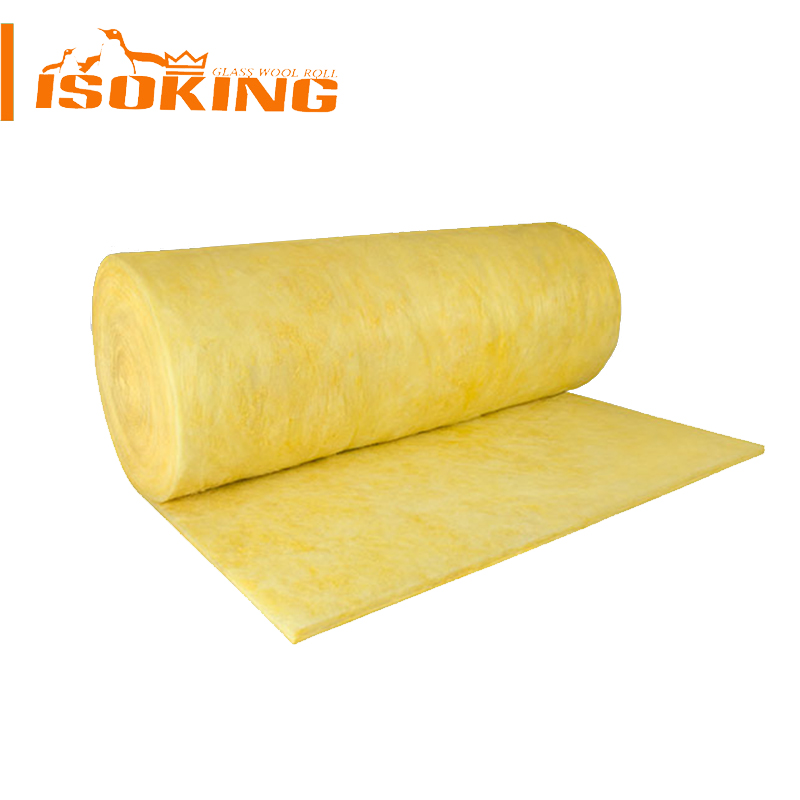
Glass wool insulation is manufactured from recycled glass fibers and sand. It is lightweight, flexible, and highly effective for thermal and sound insulation in buildings and HVAC systems.
Key Benefits of Glass Wool
- Lightweight and easy to install
- Excellent thermal insulation performance
- Strong sound absorption capability
- Cost-effective solution for large areas
- Non-combustible material
Common Applications
Glass wool insulation is widely used in:
- Commercial buildings
- Offices and residential projects
- HVAC ducting systems
- Ceilings and partition walls
- Industrial warehouses
Due to its affordability and easy installation, glass wool is a popular option for construction and HVAC insulation projects.
Ceramic Wool Insulation
Ceramic wool is a high-temperature insulation material designed specifically for extreme heat environments. It is made from ceramic fibers that can withstand very high temperatures without losing insulation performance.
Key Benefits of Ceramic Wool
- Excellent resistance to extremely high temperatures
- Lightweight with high thermal efficiency
- Resistant to chemical corrosion
- Ideal for high-temperature industrial equipment
- Provides excellent thermal stability
Common Applications
Ceramic wool insulation is commonly used in:
- Furnaces and kilns
- Boilers and reactors
- Steel and metal industries
- Petrochemical plants
- High-temperature industrial processes
This material is ideal for industries where equipment operates at extremely high temperatures.
Comparing Rock Wool, Glass Wool, and Ceramic Wool
| Feature | Rock Wool | Glass Wool | Ceramic Wool |
|---|---|---|---|
| Temperature Resistance | High | Moderate | Very High |
| Fire Resistance | Excellent | Excellent | Excellent |
| Acoustic Insulation | Very Good | Excellent | Moderate |
| Weight | Medium | Lightweight | Lightweight |
| Best Use | Industrial plants | Buildings & HVAC | High-temperature equipment |
Each insulation material has specific advantages, making it suitable for different industrial and commercial applications.
Choosing the Right Insulation for Your Industry
Selecting the right insulation material depends on several factors, including:
- Operating temperature requirements
- Type of industrial process
- Safety standards
- Energy efficiency goals
- Budget and installation requirements
Industries that require high-temperature protection often choose ceramic wool, while facilities looking for balanced thermal and acoustic insulation prefer rock wool. Glass wool is widely used in commercial buildings and HVAC systems due to its lightweight structure and affordability.
Businesses searching for thermal insulation materials in Pune should work with experienced suppliers who understand industry requirements and can recommend the most suitable insulation solution.
Conclusion
Rock Wool, Glass Wool, and Ceramic Wool are among the most reliable insulation materials used across multiple industries. Each material offers unique advantages depending on the application, temperature range, and operational environment.
Choosing the right insulation solution can significantly improve energy efficiency, reduce operational costs, and enhance safety in industrial and commercial facilities. By understanding the differences between these materials, businesses can make informed decisions that support long-term performance and sustainability.